
AI changes the economics of action. Research, analysis, synthesis, communication, and execution can now happen at a speed and scale that previously required far more people and time. But the ability to produce an answer is not the same as the ability to identify the question that deserves answering.
Technology multiplies the judgment entering it.
A system can accelerate a well-framed decision. It can also accelerate an assumption nobody examined, an incentive nobody surfaced, or a target that replaced the outcome that actually mattered.
The more capable the system, the farther weak judgment can travel before the damage becomes visible. Human value therefore moves upstream: into framing, interpretation, context, verification, trade-offs, and responsibility.
AI does not remove the decision environment. It enters one.
The hidden input is the environment.
Every AI-assisted decision sits inside conditions: who chose the objective, what data became visible, which risks were tolerated, who can challenge the output, what gets rewarded, and how much time is available for review. Those conditions shape how the tool is used long before its answer reaches the screen.
NIST’s AI Risk Management Framework organizes responsible practice around governing, mapping, measuring, and managing risk. Its human–AI guidance also emphasizes explicit human roles, the danger of losing context when complex phenomena become measurable quantities, and the possibility that human–AI interaction can amplify bias under some conditions. The practical implication is straightforward: oversight is an environment, not a checkbox.
“Human in the loop” is not enough.
A person can remain nominally involved while contributing almost no judgment. If the organizational norm is to accept the generated recommendation, if speed is rewarded more than challenge, or if nobody owns the consequence, human presence becomes ceremonial.
Meaningful oversight requires permission, capability, time, and responsibility. The reviewer must be able to question the frame, inspect important evidence, resist automation bias, and stop the process. UK government guidance similarly stresses meaningful human control, clear responsibility, verification of outputs, and the ability to intervene in risky or high-impact uses.
Five upstream questions
- What decision are we actually making?
- What did the system make easier to see—and what disappeared?
- Which assumptions entered before the prompt?
- Who is accountable when the output becomes action?
- What evidence would cause us to stop or change course?
Place deliberation where it has the greatest leverage.
Slow down the frame before accelerating the work. Clarify responsibility before distributing execution. Surface weak signals before optimization makes the current direction harder to reverse.
AI makes capable execution more available. It does not make judgment automatic. Organizations that understand the difference can use technology to extend human capability without outsourcing responsibility.
Primary references
- NIST: Artificial Intelligence Risk Management Framework 1.0
- NIST: AI Risk Management and Human–AI Interaction
- UK Government: Data and AI Ethics Framework
About the author
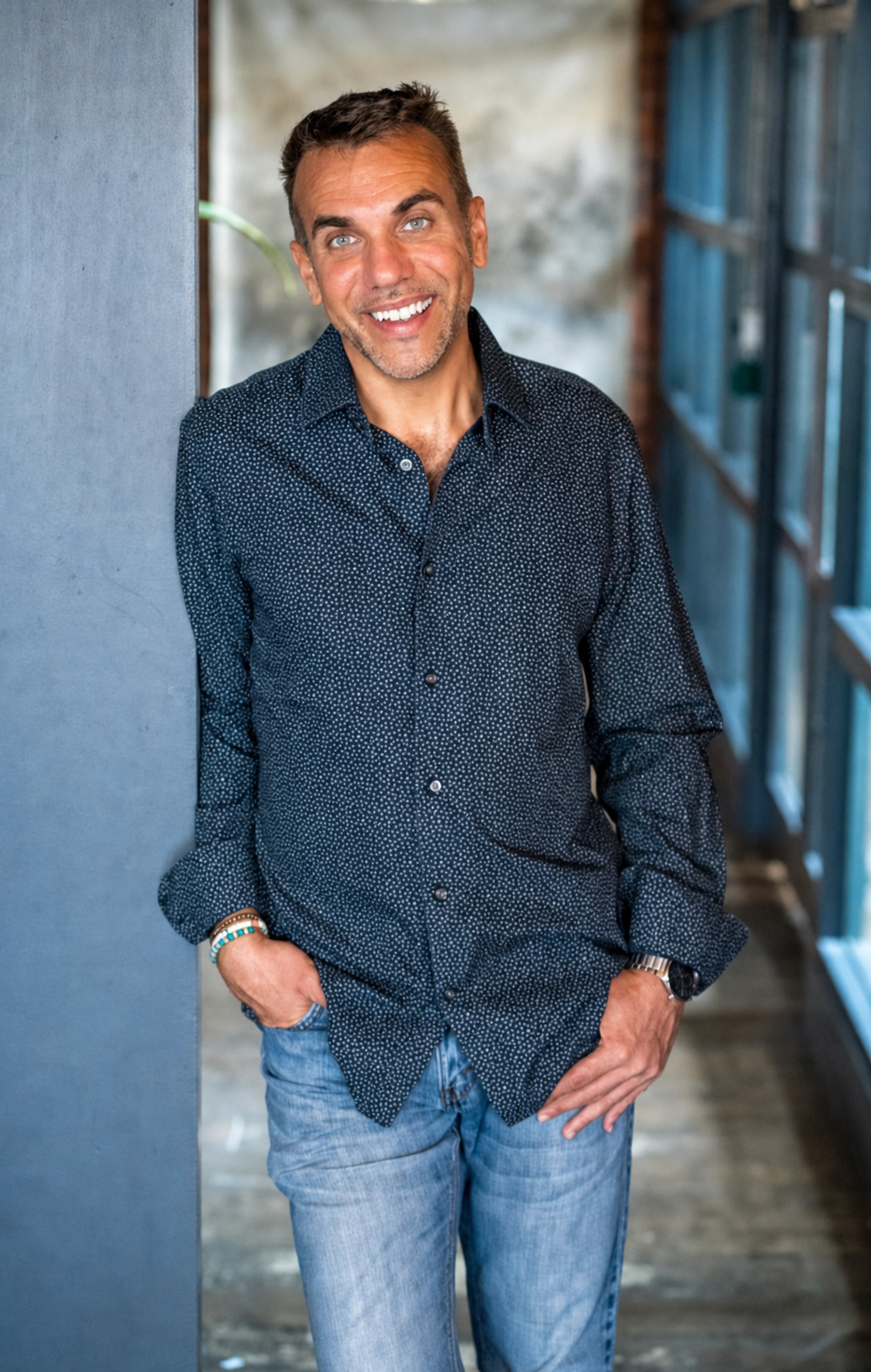
Ian Brake, MBA
Ian is the founder of Brake Your Limit and creator of Decision Lab. His work brings operating experience and decision systems together to help people and organizations see what is shaping judgment before a poor decision costs time, trust, or opportunity.
See earlier.
Decide better.
Bring a real decision into Decision Lab and practice while you can still change what happens next.
See how Decision Lab works